Resources / Beyond Reach: Enabling the New Era of Digital-First Pharma

Beyond Reach: Enabling the New Era of Digital-First Pharma

  • Gen Alpha is the first generation born into a world where AI isn't new - it's native
Can you remember the first generation that was born using the internet? That shift redefined how we communicate, learn, and live. Now consider this: Gen Alpha is the first generation born into a world where AI isn't new - it's native. Let that sink in.Just as the internet reshaped how industries operated, AI is now redefining how we engage, inform, and enable - both internally and externally. For pharma, this means that the people we hire and the professionals we serve are changing. Dramatically. And permanently.
Generation Z is becoming the third-largest generation in the UK workforce, with over 4.3 million employees13. According to Glassdoor, 2024 was most likely the first year Generation Z surpassed Baby Boomers in the workforce14.Pharma is no exception. Pharmaceutical companies are facing a generational shift - both within their field teams and among their customers. On one side, Gen Z and younger millennials are entering commercial roles with high expectations for digital tools, real-time feedback, and purpose-driven engagement. On the other, early-career healthcare professionals (HCPs) are increasingly digital-native themselves, favouring peer-led learning, remote engagement, and scientifically credible content over traditional detailing.
image
In this new reality, it's no longer about convincing reps to use CRM systems or adopt hybrid communication formats - they expect it. Today's field teams aren't just expected to be digitally savvy; they demand that the tools and solutions provided to them match the pace and standards they're used to.Interestingly, according to the latest IQVIA ChannelDynamicsTM 2024 study, channel alignment between preferred and actual HCP engagement in the UK stands at only 38%. This highlights a substantial gap between HCP expectations and the reality of omnichannel execution across local affiliates15.Along with the dual dynamic (digitally fluent field teams and digitally demanding HCPs) it is forcing pharma to rethink what commercial excellence really looks like. It's no longer enough to optimise for reach or frequency. The next generation of reps and HCPs expect technology-enabled, personalised, and contextually relevant engagement - both inside and outside the organisation.

The Evolving Landscape of Commercial Excellence

Missing a Strategic Audience: Gen Z HCPs

Many companies still prioritise traditional KOLs. Yet Gen Z HCPs are 4x more likely to adopt new treatments, more scientifically active, and more likely to influence peers digitally. Engaging them early is a strategic advantage8,7.


image
Gen Z HCPs are 4x more likely:
  • icon
    adopt new treaments
  • icon
    scientifically active
  • icon
    influence peers digitally

Omnichannel Integration Is No Longer Optional

Reps and marketers must coordinate HCP touchpoints across digital, face-to-face, and remote channels. This requires integrated data, cross-functional collaboration, and content designed to serve both rep- and AI-led interactions10,2.

AI-Powered Content and Journey Personalisation

Digital-native HCPs (especially early-career professionals) expect tailored, high-quality, science-first interactions. AI tools personalise content journeys, adapt messaging to behavioural insights, and optimise delivery timing across channels5,2.

Marketing's Role: Adaptive Brand Execution

Marketing must shift from static assets to modular content ecosystems - allowing fast localisation, personalisation, and cross-channel deployment. This ensures brand consistency while enabling agility across markets3,11,9.
From Static CLM to Smart Orchestration
CLM is evolving into an intelligent layer of omnichannel engagement. Smart CLM surfaces best-performing content, adapts presentations to the HCP profile, and feeds back data to improve campaign impact across channels6,3,12.
Immersive, On-Demand Enablement
Digital-native reps don't want static training decks - they expect interactive, mobile-first tools like AI-driven simulations, adaptive content, and scenario-based performance support that mirror the pressures of real-world HCP engagement1,2.
Enablement in the Flow of Work
Younger field teams expect enablement embedded in their daily tools - delivered as micro-content, product refreshers, or objection handling tips in the CRM or CLM. This shift demands agility, not just compliance3,4.
Commercial Coaching at Scale
Decentralised teams need scalable support. Virtual coaching, AI-powered mentors, and real-time analytics reduce manager burden while ensuring alignment with brand strategy and local nuances4,9.

The Opportunity: Commercial Excellence for a New Generation
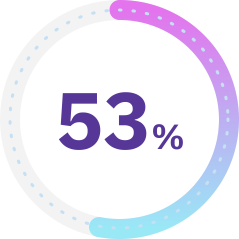
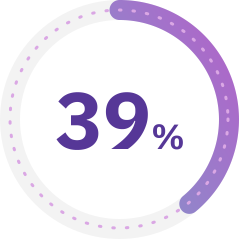
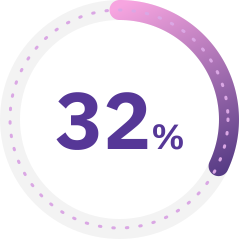
Whilst acknowledging this shift, we need to remember that for now, the future of commercial excellence in pharma isn't just digital - it's human + digital by design. While AI and automation are reshaping engagement models, humans will remain central to decision-making - especially in an industry governed by regulation, compliance, and trust.At the same time, the accelerating pace of digitalisation demands faster responses, sharper insights, and more adaptive execution. Here, AI plays a crucial role: helping teams keep up with change, scale personalised engagement, and translate strategy into action at the speed today's market requires.Yet, it would seem training personalisation is not being considered. SalesFuel has found that only 30% of pharma reps get personalised coaching16.However, companies that implement fit-for-purpose coaching can achieve an ROI of 545%, with 53% increased productivity, 39% improved customer service, and 32% improved senior staff retention17.
Companies that implement fit-for-purpose
coaching can achieve an ROI of 545%, with...
53%
Increase productivity
39%
Improve customer
service
32%
Improve senior staff
retention
This gap in personalised coaching is exactly where tools like AI Trainers make a difference. For example, AVA AI trainer18 provides personalised coaching and practice exactly when it's needed, adapting to the pace of each rep. Crucially, it acts as a bridge between marketing and commercial teams. Updated brand strategies, new content modules, or revised messaging can be delivered instantly, with reps practising the changes before taking them into the field. This creates consistency in omnichannel execution and accelerates adaptive brand rollouts.For the field force, the experience is immersive and practical. Reps can rehearse realistic HCP conversations, strengthen product fluency, and even overcome psychological barriers by engaging with different simulated client types - from local doctors to international opinion leaders. Meanwhile, managers gain visibility through learning analytics, spotting common gaps and organising targeted coaching or group sessions where needed.Companies that meet the expectations of both digitally native reps and digital-first HCPs will be best positioned to drive engagement, accelerate uptake, and build long-term trust.

Where Pharma Goes Next

Pharma can no longer afford to treat digital as a channel or training as an afterthought. As both field teams and HCPs become younger and more tech-savvy, commercial and marketing strategies must evolve. This means equipping reps with intelligent tools, orchestrating personalised omnichannel journeys, and recognising that overlooking digital-native HCPs is a missed strategic opportunity.The companies that act now (those investing in modern, modular solutions for commercial enablement) won't just keep up with the future. They'll define it.The future of pharma won't be just digital - it will be fluent. And fluency must be taught.Start by asking: are your reps truly prepared for digital-first, data-driven conversations? Is your training continuous, adaptive, and personalised to their needs? The technology is here. What matters now is putting it to work.
References
  1. EI Design. L&D Trends 2025. eidesign.net.
  2. Deloitte. Global Gen Z and Millennial Survey 2025. deloitte.com.
  3. TalentLMS. 11 L&D Trends for 2025 & Beyond. talentlms.com.
  4. Continu. Corporate eLearning Statistics 2025. continu.com.
  5. McKinsey. AI in the Workplace: A Report for 2025. mckinsey.com.
  6. Articulate. eLearning Trends for 2025. articulate.com.
  7. ADVANZ Pharma. Global Medical Excellence & Operations Statement. 2024.
  8. Veeva. Pulse Field Trends Report. 2024.
  9. Deloitte AU. GenAI Training and Learning Trends. theaustralian.com.au.
  10. McKinsey. Next-generation Engagement in Pharma. 2024. mckinsey.com.
  11. Deloitte Insights. Pharma Marketing 2025: Reimagining the Content Lifecycle. 2024. deloitte.com.
  12. Veeva. How Intelligent CLM is Transforming Field Engagement. 2023. Veeva.com
  13. https://acaciumgroup.com/case-studies/gen-zs-influence-on-nhs-workforce-dynamics/.
  14. https://www.emjreviews.com/emj-gold/article/get-ready-for-gen-z-doctors/.
  15. https://www.iqvia.com/locations/emea/blogs/2024/11/understanding-healthcare-professionals-changing-channel-preferences-to-build-better-engagement.
  16. https://salesfuel.com/whats-the-difference-between-sales-managers-and-sales-representatives/.
  17. https://exeevo.com/resources/publications/blog/field-force-effectiveness-pharma/ (THE MANCHESTER REVIEW • 2001 • VOLUME 6 • NUMBER 1)
  18. https://ava.vivanti.eu/home/article/1/the_top_priority_for_sales_leaders_improving_sales_enablement_and_training_in_pharma_with_ava.